Housing and economic headlines in 2025–2026 often emphasize extremes—“crashes,” “bubbles,” or “booms”—that rarely match what buyers and sellers experience on the ground in Myrtle Beach and the Grand Strand. These stories can distort expectations about prices, timing, and negotiating power, leading some people to overreact or sit on the sidelines when local data paints a more balanced picture.
The Gap Between Headlines and Reality
National news tends to compress a complex housing market into simple winners-and-losers narratives that overlook local differences like Grand Strand seasonality, condo vs. single‑family dynamics, and coastal risk pricing. In 2025, for example, U.S. median home prices hovered around the low‑$400,000s with modest quarter‑to‑quarter shifts, not the dramatic swings suggested by many national stories.
Economic coverage also often focuses on single indicators—like mortgage rate moves or a monthly sales report—without showing how incomes, inventory, and local demand interact over time. The result is that a “bad” national headline may coincide with improving affordability in specific markets or price ranges along the Grand Strand.
How Buyers Internalize Market Noise
Younger adults increasingly get news through social feeds, creators, and short‑form video, where emotional or alarming housing content tends to spread fastest. Pew Research found that while just 15% of young adults follow general news closely in 2025, 93% at least sometimes get news on digital devices, making them especially exposed to viral market takes.
These habits matter because social media “news influencers” often frame housing as a zero‑sum race—either “buy now or be priced out forever” or “wait for the crash”—with little nuance about local data or financing options. In practice, NAR’s 2025 Profile shows most successful buyers are still making measured tradeoffs on price, size, and condition rather than timing a perfect market.
Buyer Expectations: Influenced by Headlines, Grounded by Data
Sensational coverage of bidding wars and over‑ask offers from 2021–2022 has left many buyers convinced that they must either dramatically overpay or stay out entirely, even as conditions normalize. NAR reports that by mid‑2024–2025, buyers typically paid a median of 99% of asking price, and only about 17% paid more than list—far from a universal over‑ask environment.
At the same time, affordability headlines can exaggerate hopelessness in markets where inventory and incentives are actually improving for certain price points. In South Carolina, 2025 data shows higher inventory, longer days on market, and a sale‑to‑list ratio under 100%, aligning more closely with a negotiating market than a runaway seller’s market.
Seller Expectations: Anchored to Yesterday’s Peaks
Sellers consume the same national stories but often focus on “record high prices” and “pent‑up demand,” which can cause them to overprice based on last year’s best‑case examples instead of current trends. NAR’s 2025 seller data shows that even in a constrained national inventory environment, the median sale was about 99% of final list price, not a guaranteed bidding frenzy.
Media narratives about “no inventory” can also encourage would‑be sellers to expect instant offers, even as days on market stretch and incentives such as closing cost help, home warranties, and concessions re‑enter the picture. In practice, about 27% of sellers in 2025 offered some buyer incentives nationally, reflecting a market that is more balanced than many headlines suggest.
Myrtle Beach & Grand Strand: Local Reality Check
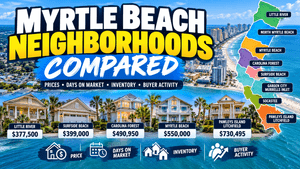
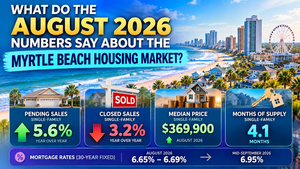
Along the Grand Strand—including areas like Carolina Forest, Conway, Surfside Beach, and Forestbrook—recent data points to a more measured environment than “boom” or “bust” headlines imply. By late 2025, South Carolina inventory was up roughly 15–16% year‑over‑year, days on market extended into the 68–85‑day range, and only about 11.5% of homes sold above list, indicating more room for negotiation.
Local commentary on Grand Strand conditions notes steady demand for single‑family homes, a softer condo segment, and competitive new construction—especially in oceanfront and Carolina Forest‑area communities—rather than broad price collapse. For buyers and sellers in Myrtle Beach, this means national stories about “hot spots” or “cooling markets” often miss how product type, neighborhood, and price band drive real outcomes.
Using Data Instead of Headlines
Key Stats that Reframe Expectations
The typical U.S. buyer in 2025 spent about 10 weeks searching, relied heavily on agents and online tools, and was most challenged by finding the right property—not by timing a crash.
Median down payments reached 19% overall (10% for first‑time buyers, 23% for repeat buyers), reflecting a cautious, equity‑focused market rather than reckless speculation.
Pending home sales rose in all regions by November 2025 as slightly lower mortgage rates and wage growth improved affordability, contradicting narratives that demand had “disappeared.”
These metrics show a market in adjustment, not collapse, which is quite different from common headline themes.
Practical Ways to Filter Market Noise
Separate national from local: Track Grand Strand‑specific stats—inventory, sale‑to‑list ratio, days on market—rather than reacting to national “average” price headlines.
Focus on your segment: A Myrtle Beach oceanfront condo, a Carolina Forest single‑family home, and a Conway new‑build each respond differently to the same national rate or inflation news.
Use primary sources: NAR, the Federal Reserve, HUD, and FRED provide cleaner trend data than opinion‑driven commentary or viral social posts.
A Better Way to Set Expectations in Myrtle Beach
For buyers along the Grand Strand, a more grounded expectation is that 2026 will remain affordability‑constrained but more negotiable than the peak pandemic era, with modest price movement instead of dramatic swings. For sellers, current data suggests that well‑priced homes in desirable Myrtle Beach and Carolina Forest locations still attract solid interest, but pre‑2022 “name your price” conditions have largely faded.
Carolina Crafted Homes stays current on Myrtle Beach market trends and can answer questions about how national headlines relate to specific neighborhoods, price ranges, and new‑construction opportunities. Reach out anytime for guidance—no pressure, just straightforward expertise.
FAQs
How much are Myrtle Beach homes really moving in 2025–2026?
Recent national data shows U.S. median sales prices hovering around the low‑$400,000s through mid‑2025, with modest quarter‑to‑quarter changes instead of sharp drops. South Carolina reports small year‑over‑year price gains and longer days on market, suggesting a slower but still active market across areas like the Grand Strand. In practice, NAR data indicates most buyers pay close to list price, with a median sale at about 99% of asking.
What should I know about 2026 Myrtle Beach headlines vs. reality?
Many 2026 housing headlines emphasize national “affordability crises” or “market resets,” but local Grand Strand trends show rising inventory, longer marketing times, and more frequent concessions rather than broad price collapse. For Myrtle Beach buyers and sellers, that means conditions are more balanced than extreme, with outcomes driven by neighborhood, property type, and price band.
How do mortgage rate stories affect expectations in Horry County?
Coverage of Federal Reserve decisions and mortgage rate moves can create urgency, even when the actual rate shifts are modest month to month. As of late 2025, improving affordability from easing rates and wage growth is helping more buyers re‑enter the market, but not reversing the need for realistic pricing and strong financing plans.
Are bidding wars still common along the Grand Strand?
While some highly desirable properties in areas like Carolina Forest or close‑in Myrtle Beach can still see multiple offers, the broader South Carolina data shows only about 11.5% of homes selling above list in 2025. NAR’s national survey similarly finds the median sale‑to‑list ratio around 99%, indicating most deals happen near list rather than far above it.
How long does it take to sell a home in Horry County now?
Statewide and regional data suggest typical days on market in the 68–85‑day range for 2025, longer than the rapid‑fire sales of 2021–2022. NAR’s seller survey shows a national median of about four weeks on market, with considerable variation by price point and location, so Grand Strand homes may track a bit longer depending on condition and pricing.